Elevating Candied Bacon: Advanced Techniques and Creative Applications
You've likely savored the addictive crunch and the irresistible sweet-and-savory symphony of candied bacon before. Perhaps you've even mastered the basic recipe, turning humble strips of pork into a gourmet delight. If you're ready to move beyond the fundamentals and truly unleash the potential of this beloved treat, you've come to the right place. This article, the third in our series, delves into advanced flavor profiles, precise cooking techniques, and a plethora of creative serving ideas that will transform your kitchen into a candied bacon wonderland. If you're looking for foundational recipes or troubleshooting common issues, make sure to check out candied bacon - Article 2 for more insights.
The beauty of candied bacon lies in its incredible versatility. It's not just a breakfast side dish; it's a culinary chameleon that can enhance everything from appetizers to desserts, and even stand proudly as a standalone snack. By understanding the nuances of ingredient selection, baking methods, and imaginative pairings, you can elevate your candied bacon game to an entirely new level.
Beyond the Basic Glaze: Advanced Flavor Pairings for Candied Bacon
While a simple brown sugar glaze is undeniably delicious, the world of candied bacon opens up once you begin to experiment with various sugars, spices, and even spirits. Think of your bacon as a blank canvas, ready to absorb layers of complementary flavors.
- Sugar Alternatives:
- Maple Sugar: For a deeper, more robust sweetness, maple sugar provides an authentic earthy note that pairs exquisitely with pork. Use it as a direct substitute for brown sugar or combine the two.
- Turbinado Sugar: Also known as "sugar in the raw," turbinado sugar offers a larger crystal size, resulting in a more pronounced crunch and a slightly caramelized flavor. It creates a beautiful, sparkling finish.
- Coconut Sugar: A healthier alternative, coconut sugar has a caramel-like flavor similar to brown sugar but with a slightly less intense sweetness.
- Spice it Up:
- Smoked Paprika & Cayenne Pepper: For a spicy kick with a smoky undertone, a pinch of smoked paprika and a dash of cayenne pepper (or a generous sprinkle for the adventurous!) can transform your candied bacon into a fiery sensation. Adjust the heat to your preference.
- Black Pepper & Red Pepper Flakes: A classic pairing with bacon, freshly cracked black pepper adds a pungent counterpoint to the sweetness. Red pepper flakes introduce a subtle, lingering warmth.
- Cinnamon & Nutmeg: For a truly unexpected but delightful twist, especially when serving with sweet dishes, a hint of cinnamon or nutmeg can lend an autumnal, dessert-like quality.
- Chili Powder & Cumin: Venture into Tex-Mex territory with a light dusting of chili powder and a whisper of cumin for a savory, slightly smoky profile that's perfect for garnishing savory dishes.
- Liquid Enhancements:
- Bourbon or Whiskey: Before applying your sugar mixture, a light brush of bourbon or whiskey onto the bacon strips can add a sophisticated, oaky depth. The alcohol cooks off, leaving behind a complex flavor.
- Maple Syrup Drizzle: Instead of, or in addition to, granulated sugar, a generous drizzle of real maple syrup provides a stickier, chewier glaze with unparalleled flavor.
- Orange Zest or Juice: A bright, citrusy note can cut through the richness of the bacon and sweetness of the sugar. Try grating a little orange zest over the bacon before baking, or adding a tablespoon of orange juice to your sugar mixture.
Practical Tip: When experimenting with spices or liquids, start with small amounts and taste-test to find your preferred balance. It's easier to add more than to take away!
Mastering the Bake: Achieving Perfect Candied Bacon Texture Every Time
The difference between good candied bacon and truly exceptional candied bacon often comes down to the baking process. Achieving that coveted balance of crispy, chewy, and perfectly glazed requires attention to detail.
- The Right Bacon:
- Thickness: Medium-thick cut bacon (about 1/8 inch) is ideal. Too thin, and it might burn before the sugar caramelizes. Too thick, and it might remain chewy when you want crispiness.
- Fat Content: While bacon is inherently fatty, try to avoid excessively fatty packages if you're aiming for a crispier result, as excess fat can prevent proper caramelization.
- Preparation for Baking:
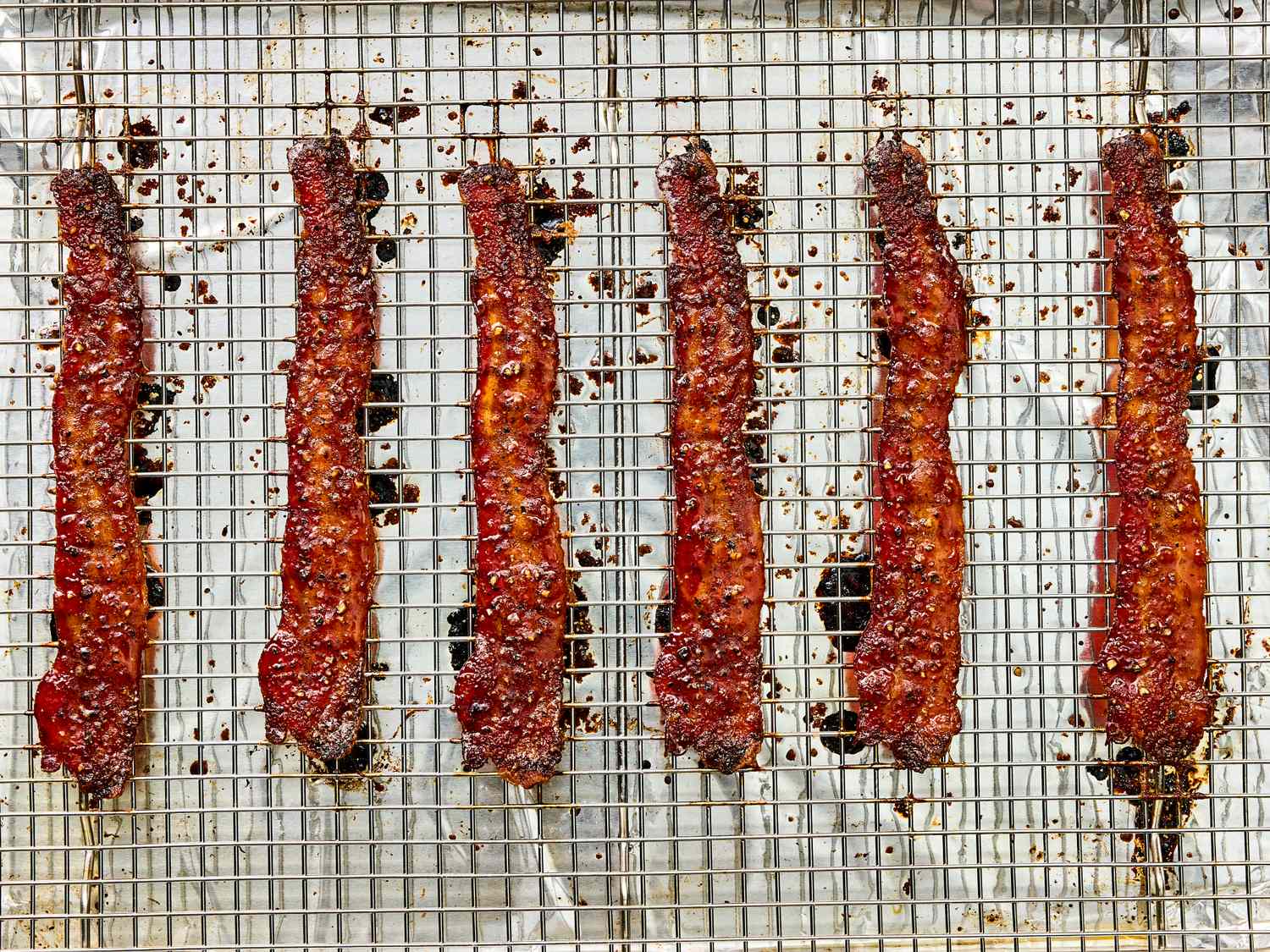
- The Rack is Key: Always bake candied bacon on a wire rack set over a foil-lined baking sheet. This allows air to circulate around all sides of the bacon, ensuring even cooking and preventing it from sitting in rendered fat, which can lead to soggy results. The foil will catch drips and make cleanup a breeze.
- Don't Overcrowd: Arrange bacon strips in a single layer without overlapping. Overcrowding lowers the oven temperature and steaming the bacon instead of crisping it.
- Pressing the Sugar: Ensure your sugar mixture (and any spices) is firmly pressed onto both sides of the bacon. This helps it adhere and caramelize effectively.
- Temperature and Timing:
- Low and Slow for Chewy: For a chewier candied bacon, bake at a lower temperature (around 300°F / 150°C) for a longer duration (30-45 minutes). This allows the sugar to melt and coat the bacon thoroughly without over-crisping the meat.
- Slightly Higher for Crispy: To achieve a crispier texture, a slightly higher temperature (350°F / 175°C) for 20-30 minutes often works best. Keep a close eye on it, as the sugar can burn quickly.
- Flip or Not to Flip? Some chefs advocate flipping the bacon halfway through to ensure even caramelization. Others find it unnecessary if using a wire rack. Experiment to see what works best with your oven.
- The Visual Cue: Candied bacon is done when the bacon itself is cooked to your desired doneness (crisp or chewy) and the sugar glaze has melted, bubbled, and turned a rich, deep amber color. It will firm up considerably as it cools.
- Cooling is Crucial:
- Immediately after removing from the oven, transfer the hot candied bacon, still on the wire rack, to a heat-proof surface.
- Allow it to cool completely. As it cools, the sugar glaze will harden, creating that signature crunch. Do not attempt to move it too early, as the warm glaze will be sticky and pliable.
- If some pieces stick to the rack, gently use a thin spatula to release them once fully cooled.
Expert Tip: If your candied bacon seems too soft after cooling, it can often be remedied by placing it back in a 300°F (150°C) oven for another 5-10 minutes, then cooling again.
Creative Ways to Serve Candied Bacon: From Savory Starters to Sweet Endings
Once you've mastered making perfect candied bacon, the possibilities for serving are endless. Its unique sweet, salty, and umami profile makes it suitable for almost any course.
- Breakfast & Brunch Brilliance:
- Pancakes & Waffles: Crumble over or lay strips across stacks of pancakes, waffles, or French toast.
- Eggs Benedict Garnish: Replace traditional Canadian bacon with crispy candied bacon for a surprising twist.
- Breakfast Sandwich Upgrade: Elevate your morning egg and cheese sandwich with a strip or two.
- Sophisticated Appetizers:
- Bacon-Wrapped Dates: Stuff dates with goat cheese or blue cheese, wrap with a piece of candied bacon, and bake until warmed through.
- Cheese Boards: A fantastic addition to any charcuterie or cheese board, offering a sweet and salty contrast.
- Deviled Eggs: Crumble finely over deviled eggs for an unexpected textural and flavor enhancement.
- On Crostini: Combine with cream cheese and chives on a toasted baguette slice.
- Salad Enhancements:
- Wedge Salad: Crumble over a classic iceberg wedge with blue cheese dressing.
- Spinach Salad: Pair with strawberries, pecans, and a balsamic vinaigrette.
- Warm Salads: Add to warm potato or farro salads for a delightful crunch.
- Dessert Decadence:
- Ice Cream Topping: Crumble over vanilla, chocolate, or even caramel ice cream.
- Chocolate Dipped: Dip half or all of a cooled candied bacon strip into melted dark or milk chocolate, then chill until set.
- Cupcakes & Brownies: Use as a garnish for chocolate or maple-flavored desserts.
- Donuts: Top glazed donuts for a truly indulgent treat.
- Beverage Garnish:
- Bloody Mary: The ultimate garnish for a spicy Bloody Mary or Caesar cocktail.
Storing and Reheating Candied Bacon: Keeping the Crunch and Flavor Alive
While candied bacon is best enjoyed fresh, you can certainly make it ahead of time. Proper storage and reheating methods are key to preserving its texture and flavor.
- Storage:
- Room Temperature (Short-Term): Once completely cooled, store candied bacon in an airtight container at room temperature for up to 2-3 days. Layer pieces between parchment paper to prevent sticking.
- Refrigeration (Longer-Term): For longer storage, refrigerate in an airtight container for up to a week. The sugar glaze may soften slightly in the fridge.
- Freezing: For extended storage, freeze cooled candied bacon in a single layer on a baking sheet until solid, then transfer to a freezer-safe bag or container for up to 1 month.
- Reheating:
- Oven is Best: To restore crispness, reheat candied bacon in a single layer on a wire rack set over a baking sheet in a preheated oven at 300°F (150°C) for 5-10 minutes, or until warmed through and crisp.
- Air Fryer: An air fryer can also work wonders for reheating. Arrange in a single layer and "fry" at 300°F (150°C) for 3-5 minutes, checking frequently.
- Avoid the Microwave: The microwave will make candied bacon chewy and potentially rubbery, and the glaze will likely become a sticky mess.
From experimenting with exotic spices and spirited glazes to mastering the perfect bake and exploring its endless applications across all meals, candied bacon is a culinary adventure waiting to unfold. By applying these advanced techniques and creative serving suggestions, you're not just making a dish; you're crafting an experience. So go forth, experiment with confidence, and let the irresistible magic of candied bacon continue to delight your taste buds and impress your guests.
